Sip, Scrub and Save Your Wooden Favorites (and Your Insanity)
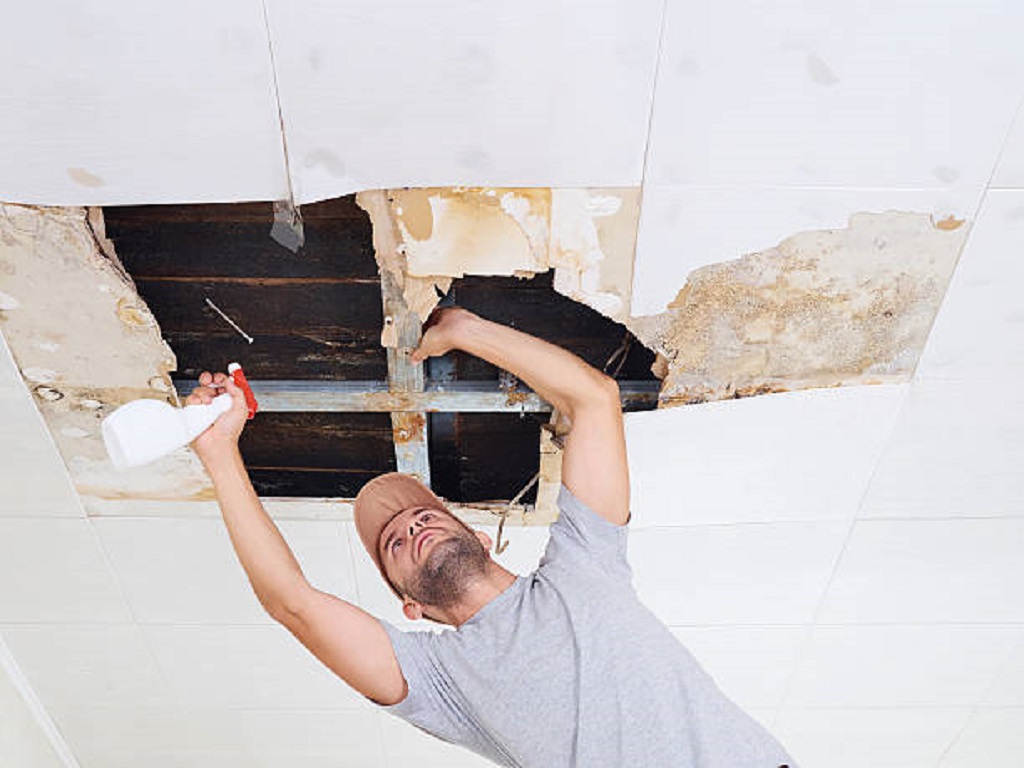
So, imagine this: you open the garage, look at that dresser that your grandmother left you and can see fuzzy spots in areas of delectable wood grain. Mold! Nothing makes a DIY more depressing than when you find the mildew is steaming away on a table leg or bookshelf that you happened to be fond of. Before crying or the curb heap, take a deep breath. Get practical. Follow a good strategy to removing mold from furniture wood and you will restore favorite furniture, when you need it, and even get a bonus of specialty coffee that may make treating the wood in question worthwhile.
What Mold is up to Your Wood in its Mad Dash
Why do wood furniture attract mold quicker it takes you to say, open window? By definition, wood is porous. It has a tendency to absorb moisture particularly in the humid atmosphere or following plumbing disaster. According to the EPA, mold begins to grow within 24-48 hours the increase of damp conditions. The mold spores are microscopic and they settle, consume and multiply.
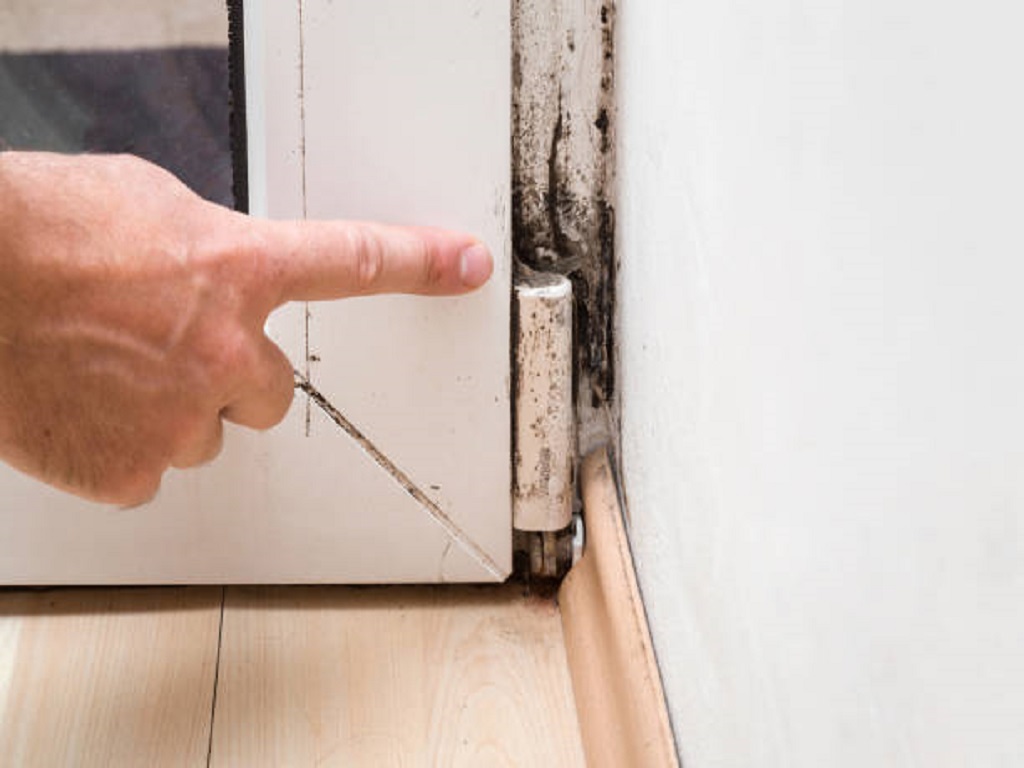
It is sometimes slight-freckles of green or black, scattered here and there under the arm of a chair. It is sometimes theatric, as there are walls and drawers bows that wear beards. The second guess, don divide against yourself: forget it, and rot will eat your piece.
Citrus Your Cleaning Weaponry
Gather supplies before going after the spores:
Toothbrush or soft-bristle cleaning brush
Mountains of clean, dry laundering cloths (the drier and the drier, the merrier)
Light dish washing liquid
White vinegar
Baking soda
Seventy per cent isopropyl alcohol
Spray bottle
Gloves made of rubber and a mask
Sandpaper (in obstinate instances) Sunlight is your insensible servant here. Where feasible, take the article to the outdoors UV rays to kill off remaining spores.
Procedure of Removal of Mold on Wood Furniture
Vaculesse Attentivement
Loosely retained mold and debris should be removed using a HEPA-filter vacuum. Have your mask and gloves. Preferably do this outdoors so that you do not transfer spores into your home air.
Dry and Then Attack
Mold is fond of wet. Wood should be dried as far as possible before using any liquid cleaner. Dry wipe with cloth towel should there be condensation or conspicuous moisture.
Vinegar Power
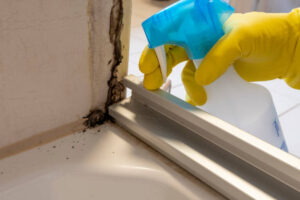
Put white vinegar and water in equal proportions in a spray bottle. Mist the areas of affect, not to wet them, and wait ten minutes. Most molds are killed with vinegar. Clean by using a dry cloth.
In the case of Stubborn Spots: Swipe with Soap or Alcohol
Splash some warm water and a few drops of dish soap and scrub painted or varnished wood lightly. Wash your brush frequently. In case of uncured, unsealed timber, blot out trouble areas with a mass of isopropyl alcohol (70 percent) wet cloth. The rate at which alcohol evaporates is low and it reduces chances of saturation.
The Tuff Guff Sandpaper
Where mold stains do not come out after they are cleaned, sand them gently (going in the direction of the grain). With dry cloth wash away any resultant dust. This reveals a new surface of wood and cleans the mold embedded.
Odor Baking Soda
Apply baking soda on a surface in the case of musty odors. brush off, or, after waiting an hour, wipe or vacuum off. Baking soda has the ability to absorb moisture and absorb odours without damaging wood.
Sun-Bathing
Take the furniture to the sun during several hours. Nature is a sanitizer and sunlight can also dry out whatever lurking spores there are.
Aftercare and Prevention of Mold
Watch out. Mold is recalcitrant. Check furniture regularly at least once a week and in the wet months. Have a dehumidifier at home, in case the atmosphere in your house is humid. EPA recommends that indoor humidity should be kept at less than 50 per cent- to get an accurate reading, a hygrometer will be needed.
Concretise wood with correct varnish or wax or oil. This forms a shield to future mold attacks. Whenever wet furniture is in leakage areas, be sure to remove them rapidly and clean spills immediately.
The Best Thing Hoover: Treating Speciality Coffee Near Me
Restoration is a sweat-ful business. Reward time: look at the “speciality coffee around me.” Forget taking the dust and cleaning fumes an hour; for tiny pleasures.
Local coffee shops, many a homeowner will eagerly report, can serve both as a place to get caffeine as well as any number of things injection of which directly in the bloodstream is not possible, and indeed which you cannot get in a cup in any way other than actually being present. They feature community dialogue, use local artists, feature sunlit reading areas and in many cases they are used as brain trusts–you will hear the best ideas on refinishing wood or the most interesting upholstery repair shops.
Just enquire the barista of the origin of the beans or what is their favorite house special. Go out on a limb, a lavender latte, a honey cardamom cappuccino, or a slow pour-over using citrus-laden Ethiopian beans. Between the books fill out another copy of what you want to be your next boot-of-energy list or scroll through the furniture restoration forums on your cell.
Take Notions, Receive Thoughts
You may find someone in need of a customer restoring a purchase at the flea market, or someone arguing about whether a particular polish leaves streaks, as you take a sip. It is easy to talk, hot mug in the hand. Human beings just want to share things that have worked (and the ones that have failed). And there is always interesting grain patterns to take pictures of, or ways to ask whether somebody knows of a refinisher in the neighborhood- and they more often than not do.
Go Home to Success (and with Fresh Mind)
At home the furnishing is in care. New life. You have one or two new cleaning approaches and perhaps the name of a new local favorite cafe. Twofold good: you have saved a decent chunk out of landfill, and spoilt yourself simultaneously.
Therefore, the next stain you notice, it can be a patch of mould or scuffed table leg, just refer to the pattern. Hook up your equipment, get down to the task, and reward thy labours in some warm (and well-caffeinated) place. Mold loses. You win.