
One of the friends, who is a google indexed pages checker, is the rude friend who informs you the things that you should not want to know or hear. You can believe that everything you have typed on your pages is happily resting in the database of the search engine. That opinion is reassuring. It is also often wrong. The unindexed page is not able to rank and it cannot receive impressions, cannot cause an organic click. It is merely stored in your server like a book in an locked drawer. It will not be seen through search query until it is added to the index.
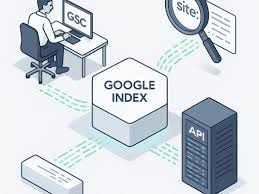
This is a highly simple validation that is ignored by a great number of site owners. They directly jump to the level of search of the keyword optimization and out-of-SPA backlink. They update analytics in the same way that one checks the oven after every two minutes. I have seen it on a number of occasions. One of the bloggers even had to lament that the algorithm was treated bad. The issue was realized after five minutes when a Google indexed pages checker was used. The index lacked numbers of cornerstone articles. No penalties. No conspiracy. Just absence. This was rectified by updating of sitemaps and internal linkage. Traffic returned. Panic dissolved.
The advantage of this tool is that it is not complicated. Enter a URL. Receive a status. Indexed or not indexed. The action is pegged on that single fact. At the time when the page is being indexed and it is buried on the search list, then focus on the relevance and authority. Crawl indications should be looked at in case it is not indexed. Look at robots directives. Confirm canonical settings. Check server response codes. Internal research association. All the processes are logically connected. You lay aside wandering, start diagnosing.
Scale magnifies the value. On a limited number of URLs, manual checking of URLs is possible. A large site cannot. Bulk checking brings out the patterns that would not be realized otherwise. Maybe, there is the prevalence of category pages and poor performance of blog posts in the index. Perhaps, the results are occupied with filtered URLs as priority pages are evaporated. Patterns experience structural imbalances. They indicate inefficiencies in crawling. They also show what sections of your site search engines are more popular and what search engines are not interested in. The decisions of architecture are influenced by the knowledge.
Another kind of headache is caused by lost pages and pages. Suppose we have a recession of traffic. You scan rankings. A key page disappeared. Before you rewrite it in frenzy pace make sure that the content is indexed. The pages could be lost in the index due to the thin updates, duplicate signal or technical errors. The harm is prevented through prompt identification. Refresh the content. Strengthen link equity. Improve topical coverage. Sometimes the healing process of recovery is less than you expect. Delay makes it worse.
Technological breakdowns are not easily noticed. The invalid index tag in the header can block whole directories. A maladaptively written robots file can limit the crawling. Redirect chains can be used to eat crawl budget. Their announcements are not made of these problems. Their impact can be immediately unveiled due to a checker of a Google indexed page. It forces accountability. It replaces speculation with reality.
In content campaign, indexing is highly essential. There is no use publishing ten new guides when no one will be found in search results. UnIndexed advertisement is like posting mail to the false address. Premature identification of index status gets rid of wasted work. Boost internal connection, re-submission of sitemaps, crawl paths and in case of page hangs. Small structural adjustments are likely to accelerate unless they are slowed down by capitalism when the discovery occurs.
The shift in mentality is also available here. Preceding optimization verification. Being there before doing it. Needless to mention, it is a need that is neglected by lots of people. Suppose, you are inspecting your store lights to ensure that they are on and you question why people are walking by. Basic steps matter. It is through repetition that discipline is reached.
One of the secondary strategies is the competitor insight. The crawl frequency and domain trust will be useful to check the speed which competing pages are indexed. The faster the incorporation, the more the power. Slower inclusion can be taken as weaker signals. These comparisons may be useful in creating realistic expectations and areas of improvement.
Google has a page indexing checker which is a program that cannot help to turn bad content to gold. It will not build connections and make headlines. What it provides is clarity. And money transparency is money search transparency. Confirm existence first. Then optimize. This order has you strategy to the ground and your efforts in focus, the same order makes your strategy to the ground.