Breathing Freer and Sipping Brighter: The Post Club Cloning
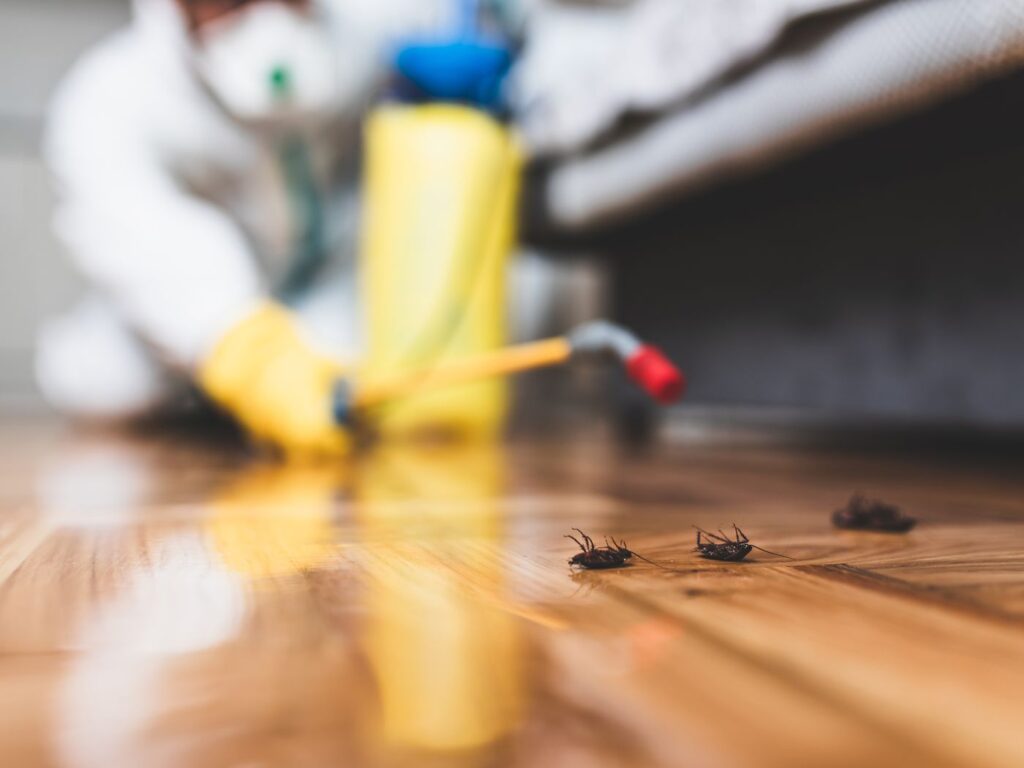
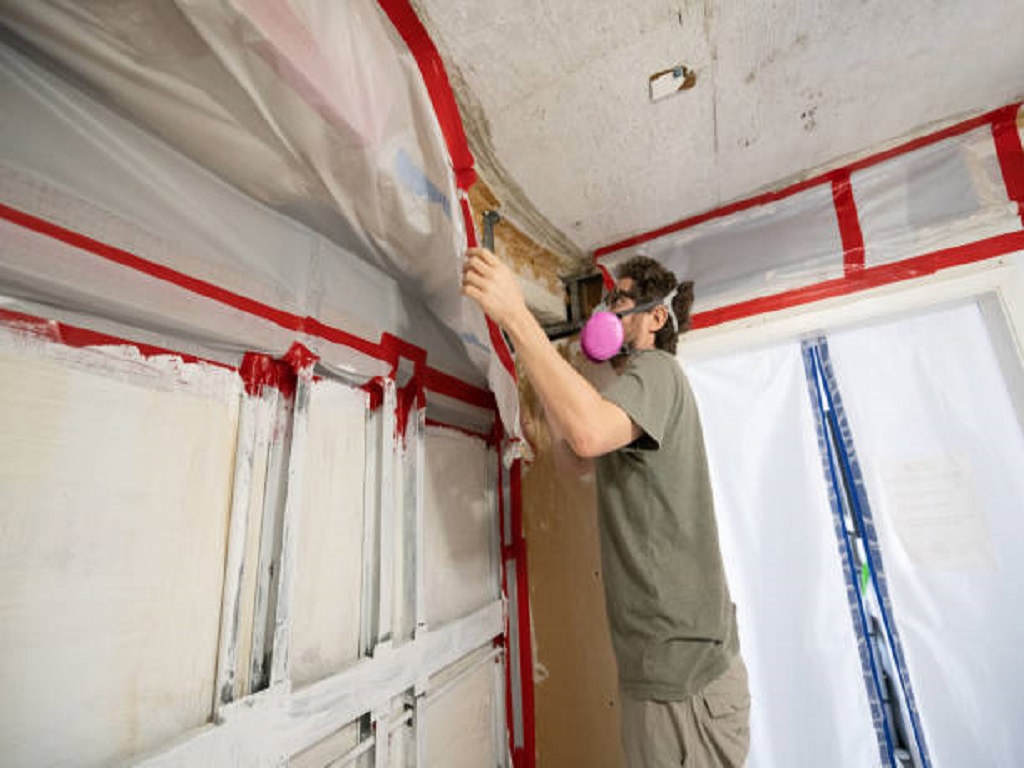
There is a warning on the door, men in plastic body suits; the industrial shoot of fan machines; mold and asbestos removal is never low key. It is a weighty process. Bodily and mentally. First, there is the months (and even years) of paranoia over the strange, earthy aroma. The calculator is brought out then. Testing, remediation, sealing and repaint bills. Finally the green light: your air is safe, once again. The ponderousness is there. What do you do to snap that out of the way?
There is rapid remedy in neighborhood coffee shops. No better remedy to a hectic pepper than a blinding espresso and Plate glass sunshine. On with your new life–your new life, I mean. Change a walled up space to a place you will love to come back to, a cup in your hand and a mood reset.
The Aftermath: Straightening out Space and Mind
Mold is always coming behind water. And even the asbestos may hide behind the popcorn ceilings or old vinyl tiles in case your house was raised before 1980. In post removal, air may remain stagnant. It is a struggle to take back what was home even in its clean form. The EPA estimates that 12,00015,000 Americans are killed each year by asbestos exposure mainly as a result to lung disease. Mold lurking in humid areas is associated with asthma and allergies. It takes some trouble of kicking both out of your house.
However the marks of the memory cannot be covered with new paint. Sterilized air can be sterile, sterile to the point of emptiness. Senses seek something welcoming, and this might be freshly ground coffee, warm pastry, local art. When you come back to your home, after a comprehensive remediation work, you may be in the state of limbo: though being safe, you somehow feel that your feet are off the ground.
Why Remedied Neighbors Go to Coffee Shops
Homeowners in paint-streaked sweats, workers taking a break, a family holding take-out coffee mugs: if you look you will see. People after the hard house cleaning turn to more comfortable, entertaining areas. Local cafes are used as living rooms to the entire block-a piece of normalcy in the middle of the maelstrom.
Why? The social fix has the backing of science. According to a 2020 University of California study, short trips to the cafe reduce stress-related hormones, such as cortisol, that can be measured. The brief rest caused by merely existing in the presence of others, sounds, and smells becomes precipitated upon the stress of the remediation.
Coffee assists, as well. According to National Coffee Association, 64 percent of adults consume coffee in the United States every day. Nevertheless, it turns out that in this case, it is not about caffeine and more about routine, a stable dessert in the context of all other things being up in the air.

Pro Tips: How to Make the Most out of Your Cafe Visit
Picking nearest chain is not the solution. Type in the search field speciality coffee near me and follow curiosity. The indie shops are camouflaged right in plain view: bank ex-branches, eccentric old houses, new-builds squeezed in between apartment towers. Read reviews. Is the store giving prominence to single-origin beans? Do the reviews mention some friendly staff, some quiet nooks, or some community event? It is worth doing some research.
Solicit which drink or pastry to order. A creamy latte smooths jangly nerves in case you have not gotten over the previous week. Wanted a kick in the pants after relocating furniture? A single-shot punchy espresso is a rocket fuel.
Order something your normally would not order. Perhaps a matcha coffee or a macadamia milk coffee. Enjoy a new view of a new era in your house.
Your House: A Slateless Scape in Search of Soul
Break out windows, allow fresh air to come upon removal of molds and asbestos. Have the ceiling fans running. Old way of freshening a sterile room, put a cinnamon stick or citrus peel in a pan of water on the stove and simmer.
The new aromas include a small vase of coffee shop flowers, or taking a cinnamon roll home with you as a souvenir of that excursion, which ties memories to the room. Colors, odors, tactile sensations, they are all necessary in order to feel normal again.
At the cafe you may get a house plant as well, provided that they sell it. According to NASA Clean Air Study, plants such as Boston ferns or spider plants consume air toxins in the atmosphere and aid in the recovery of indoor air which has been cleaned up.
Avoiding the Unwanted Sequel: Spaces are, and Need to remain, Safe
Nobody would like to see a sequel in the performance by mold or asbestos. Watch quickly. Buy an inexpensive hygrometer and maintain humidity level of below 50%. Inspect areas that used to hold water on a regular basis, the bottom of exterior walls, beneath the sinks, along the beams in the attics. Roof Leaks. In case you do not install one, install one in the bathrooms and kitchens.
Little Wins-Rerouting Our Anxiety into Ritual
Each time you drink every bit of coffee during your post-remediation routine, every sip of coffee becomes a reminder that things become better. The reinstatement of old habits helps you get moored, such as morning coffee, bringing friends, cooking.

Award yourself after every completed step. Leaving a breath of the fresh air. A shelf rearrangement. Discovery of the light falls on the old chair in the right way. A buzz of chatter in that coffee store where you love to hang out is evidence that regular normalcy is available to you as you want it.
There is no textbook about how to get back to normal, so whether you are covered in plaster dust after putting the finishing touches on your new shoes or you can finally see your kitchen without warning tags, take it easy: this is just normal. It can be a simple flat white, a scone, and a deep and safe breath sometimes. The work is done,–but life, more diversified, continues,–a house, and a cup, at a time.